W tej strefie zapraszamy czytelników tak zwane artystyczne dusze po książki z kategorii Sztuka. Polecamy szereg publikacji o sztuce i jej historii,ciekawostki i portfolia artystów, eseje, albumy, książki o malarstwie, rzeźbiarstwie, architekturze oraz histoii fotografii. Biografie ciekawych artystów, książki i powieści przedstawiające fascynujące losy malarzy i osób uwiecznianych na obrazach. W tym dziale tylko ksiązki ze sztuka w tle.
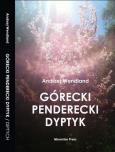
Zagadka i niespodzianka. Tymi słowy można najkrócej określić zawartość dwóch esejów o muzyce Henryka Mikołaja Góreckiego i Krzysztofa Pendereckiego.Obaj twórcy dokonali, mniej więcej w tym samym czasie ? późne lata 60-te, początek lat 70-tych ? nagłego zwrotu, przewartościowania w swojej twórczości. Każdy na swój sposób. Z pozycji liderów awangardy zaczęli spoglądać w kierunku tradycji, harmonii i piękna. W omawianych kompozycjach nie trudno dostrzec „związki” rozpięte na osi: Górecki-Wagner, Penderecki-Mahler.Z przedmowy Autora
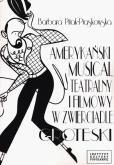
W niniejszej publikacji Autorka proponuje nowe spojrzenie na amerykański musical, zestawiając go z pojęciem groteski. Przygląda się temu gatunkowi scenicznemu i filmowemu z interdyscyplinarnej perspektywy, podkreślając, że podobnie jak groteska ma on w sobie wiele sprzeczności. Autorka określa relację między musicalem a groteskowością jako pojęciem estetycznym i formą przedstawiania rzeczywistości. Dowodzi istnienia takiej korelacji, jednocześnie badając, na jakich płaszczyznach, w jakich warstwach dzieła musicalowego się ona objawia.
Barbara Pitak-Piaskowska - doktor nauk humanistycznych, teatrolożka i kulturoznawczyni. Specjalizuje się w historii musicalu jako gatunku, szczególnie zważając na jego rozwój na tle kultury Stanów Zjednoczonych. W pracy badawczej zajmuje się powinowactwem sztuk, szeroko rozumianą kulturą popularną, a także sztuką okresu dwudziestolecia międzywojennego w Polsce i na świecie. Aktywna uczestniczka wielu ogólnopolskich i zagranicznych konferencji naukowych. Autorka sztuk teatralnych i recenzji. Jest stałą współpracowniczką Centrum Badań nad Teatrem Muzycznym UAM oraz członkinią Polskiego Towarzystwa Badań Teatralnych.
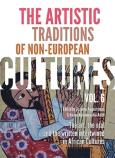
The current issue of The Artistic Traditions of Non-Europeans Countries is devoted to African cultures and it addresses matters which go beyond issues related to visual arts. In this volume the authors rather search for relations between arts and communication in differentAfrican settings.Over millennia people have applied different ideas with the view to make ephemeral oral communication, or at least the ideas carried by spoken words, last longer. The tools applied to different thoughts have changed and developed, but the main aims remained the same since the most ancient times. They are: to be able to remember what was once said, to freeze and save what was once said or thought for future generations and also to use simple signs to make references, so that the others think about exactly the same ideas in the same context as expected.This volume offers a glimpse into different aspects of how people communicated in the past and how they communicate today in Africa with the use of a wide spectrum of different tools and methods using art, orality and writing. In the centre of interest of the authors remains the area which is common to all these manners of passing on information and conveying messages, the area which reflects how orality and visuality influence each other.
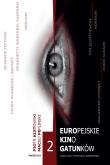
Drugi tom Europejskiego kina gatunków stanowi kontynuację pionierskiej publikacji z 2017 roku. Jego redaktorzy podjęli się odważnej próby zaprezentowania wielu niezwykle interesujących i dotychczas bardzo rzadko opisywanych gatunków filmowych, takich jak poliziotteschi, macaroni combat, peplum czy ballada filmowa. Większość omówionych w niniejszej książce fenomenów pozwala postawić pod znakiem zapytania klasyczne kategorie filmowej rozrywki i komercji, które zazwyczaj przeciwstawia się konwencjom i typologizacjom spod znaku kina autorskiego i artystycznego. Za sprawą analiz poszczególnych badaczy – zarówno profesjonalnych filmoznawców, jak i doświadczonych entuzjastów popularnej sztuki filmowej – gatunkowe produkcje autorów takich jak Mario Bava, Jean Rollin, Lars von Trier, Just Jaeckin czy Sergio Sollima jawią się jako skarbce wiedzy historycznej, nośniki istotnych kontekstów kultury europejskiej oraz źródła inspiracji dla współczesnych filmowców na całym świecie. „Autorzy prac wywodzą się z różnych środowisk, co pozwala podkreślić skomplikowaną naturę sposobów funkcjonowania kina gatunków w Europie, ale także zapoznać się z różnorakimi perspektywami analitycznymi i interpretacyjnymi, które nie zawsze i z niejakim trudem mają okazję pojawiać się w filmoznawczym obiegu akademickim (…). Ten zbiór tekstów jest pracą, która – choć na różne sposoby – zainteresuje zarówno filmoznawców, jak i pasjonatów kina. To lektura, która uświadamia, że debata o filmie toczy się nie tylko w Akademii, lecz również w innych obszarach specjalistycznej komunikacji i ma ona walor poznawczy, którego nie można nie docenić”. Z recenzji dr hab. Barbary Gizy, prof. USWPS
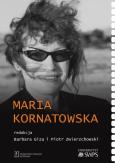
Barbara GIZA
Piotr ZWIERZCHOWSKI
redakcja naukowa
tom 4 serii Polscy Krytycy Filmowi
Maria Kornatowska doskonale czuła ducha czasu, wychwytywała zmiany społeczne i obyczajowe, świetnie orientowała się we współczesnym życiu artystycznym, ale przede wszystkim wierzyła w kino, w jego magię i sztukę obrazu. Szukała w nim niejednoznaczności, nieoczywistości, tego, co ukryte. O niektórych filmach opowiadała, odsłaniała ich znaczenia, wychwytywała konteksty, tworzyła ich sensy, te najważniejsze (jak Federica Felliniego i Wojciecha Jerzego Hasa, jej dwóch wielkich filmowych miłości) były dla niej towarzyszami podróży w wędrówce przez kulturę, obraz i tajemnicę. Skupiamy się zaledwie na kilku tematach, motywach przewodnich jej twórczości, które jednak pozwalają pokazać wnikliwość interpretacyjną, zanurzenie w kulturze, kunszt pisarski, nie tylko krytycznofilmową osobowość. Maria Kornatowska oferowała czytelnikowi styl i nieoczywistość spojrzenia. Bezbłędnie odczytywała światy kulturowych znaczeń, także je tworzyła. Miała wszystkie te cechy, które sprawiają, że krytyk staje się autorem, kimś, kto kreuje świat tak samo jak artysta.
Kolejne tomy serii dotyczyć będą innych ważnych dla polskiej krytyki filmowej postaci, m.in. Jerzego Płażewskiego, Bolesława Michałka, Krzysztofa Teodora Toeplitza, Zygmunta Kałużyńskiego. Zamiarem redaktorów jest naszkicowanie obrazu krytyki oraz zrekonstruowanie roli, jaką niegdyś odgrywała. Być może okaże się to pomocne dla podjęcia dyskusji o specyfice, funkcji, a nawet zasadności istnienia krytyki filmowej w dzisiejszej rzeczywistości.
W tomie publikują:
Barbara Giza, Alicja Helman, Annette Insdorf, Karol Jachymek, Małgorzata Jakubowska, Katarzyna Mąka-Malatyńska, Anna Osmólska-Mętrak, Agnieszka Polanowska, Małgorzata Radkiewicz, Grażyna Stachówna, Monika Talarczyk, Piotr Zwierzchowski.
Wacław Rapak czyta teksty Michaux z tego okresu (1927--1929) systematycznie i niespiesznie, respektuje następstwo diarystycznych notacji, rekonstruuje bardzo swoistą logikę tego wymykającego się wszelkim gotowym kategoriom dzieła, które określa mianem egzystencjalnego i literackiego do-świadczenia"", czyli świadczenia o tym, czego się doświadczyło"". Rozwija przy tym (naprzemiennie bądź równolegle) kilka komplementarnych strategii interpretacyjnych.Z recenzji prof. Jerzego FranczakaWacław Rapak, profesor Uniwersytetu Jagiellońskiego związany od czterdziestu lat z Instytutem Filologii Romańskiej. Literaturoznawca, w swojej działalności naukowej zajmuje się głównie nowoczesną i współczesną literaturą francuską. Wśród jego zainteresowań warto wymienić również teorię literatury i metodologię badań literackich. Znawca twórczości Henriego Michaux, któremu poświęcił do tej pory wiele artykułów, zagranicznych wykładów i wystąpień na naukowych konferencjach. W zamyśle autora Henri Michaux - dzieło wyobraźni. Czas wielkich podróży (1927-1929) ma stanowić kontynuację poprzedniej poświęconej temu poecie i artyście książki (Henri Michaux - dzieło wyobraźni. Okres zielony"" 1922-1927) o początkach jego twórczości.
Ślady teatru. Księga ofiarowana Joannie Walaszek wpisuje się w najlepsze tradycje tomów jubileuszowych i stanowi dowód wielogłosowości polskich badań nad teatrem, widowiskami i sztukami performatywnymi. Powstała spójna, a zarazem utrzymana w dialogicznym duchu całość, dająca obraz współczesnej polskiej teatrologii jako dyscypliny, która nie zapomina o swych tradycjach, a jednocześnie otwiera się na nowe tematy i nowe metodologie. Z recenzji dr hab. Ewy Partygi, prof. IS PAN Różnorodność materiału badawczego jest ogromna, tak jak zróżnicowane są poetyki tekstów – od krótkich szkiców i przyczynków do historii teatru, przez eseje, studia przypadków i wspomnienia, po artykuły przekrojowe czy o charakterze syntez. Twórczość Swinarskiego, przywoływana po latach i na nowo interpretowana, stanowi mocne ogniwo książki, nic więc dziwnego, że została wyodrębniona jako osobna część. Jako całość książka Ślady teatru jest niezwykle wartościowa, przynosi wiele cennych odkryć, oryginalnych interpretacji oraz sporo materiału do przemyśleń. Z recenzji prof. dr hab. Ewy Wąchockiej Na książkę składa się dwadzieścia siedem tekstów napisanych z myślą o Joannie Walaszek oraz jej ofiarowanych. Autorami są przede wszystkim jej przyjaciele, często wybitni naukowcy z różnych ośrodków uniwersyteckich i teatralnych w Polsce. Największy blok tekstów dotyczy Konrada Swinarskiego. Nowe świadectwa (niepublikowane listy), nowe odczytania pozwalają po raz kolejny spojrzeć na życie i twórczość tego reżysera. Kolejne rozdziały książki – „Przedstawienia”, „Aktorzy”, „Nowe przestrzenie”, „Obyczaje” – zawierają interesujące teksty dotyczące historii, krytyki i teorii teatru. Tytuł tomu – Ślady teatru – w oczywisty i bezpośredni sposób nawiązuje do zbioru recenzji Joanny Walaszek Ślady przedstawień, wydanego w 2008 roku. Punkt wyjścia obu książek jest podobny – ocalamy ślady. Przy tym, pisząc recenzje, komponując teksty naukowe, ślady po sobie też pozostawiamy... Od redaktorów tomu
Dotychczasowy stan wiedzy dotyczący problematyki komunikacji niewerbalnej odnosi się przede wszystkim do niewerbalnych zachowań ludzkich rejestrowanych i analizowanych w kontekście psychologicznych prawidłowości zachodzących podczas interpersonalnych relacji. Niniejsza książka wskazuje natomiast zakres praktycznego stosowania treści niewerbalnych w przekazie reklamowym emitowanym w telewizji. Fakt wykorzystywania tych treści poddawany jest analizie ich postrzegania przez społeczeństwo, co w efekcie stanowić ma przyczynek do identyfikacji skuteczności reklamy. Głównym celem opracowania jest ujawnienie czynników determinujących stosowanie treści niewerbalnej w reklamie telewizyjnej, a w konsekwencji opisanie wpływu skuteczności wykorzystania treści niewerbalnych w przekazach komercyjnych, politycznych i społecznych na percepcję audytorium. Autor opracowania skupił uwagę m.in. na:istocie procesu komunikacji w ujęciu społecznym i biznesowym,realizacji działalności reklamowej i wykorzystaniu treści niewerbalnych w tym procesie,metodach badania skuteczności reklamy,omówieniu czynników determinujących skuteczność aktywności reklamowej,szczegółowym scharakteryzowaniu elementów komunikacji niewerbalnej w reklamie telewizyjnej,ukazaniu wpływu stosowania treści niewerbalnych w reklamie telewizyjnej na świadomość oraz zachowania audytorium.Książka jest przeznaczona dla studentów marketingu, komunikacji społecznej i psychologii, jak również praktyków zajmujących się na co dzień reklamą.... Autor twórczo wykorzystał nie tylko publikacje z zakresu marketingu (zwłaszcza reklamy i badań marketingowych) i zarządzania, ale także źródła z innych dziedzin naukowych, takich jak psychologia czy socjologia, a nawet neurologia. Do podstawowych zalet pracy należy zaliczyć umiejętność samodzielnego zaprojektowania i przeprowadzenia badań empirycznych i wykorzystania ich wyników w pisanej rozprawie (...) Na szczególne podkreślenie zasługuje podjęcie tematu o wysokim stopniu oryginalności i trudności (niespotykanego w polskiej literaturze) ...prof. dr hab. Stanisław Kaczmarczyk... Szczegółowym zagadnieniem poruszanym w recenzowanej pracy są niewerbalne aspekty komunikacji oraz ich zastosowanie w reklamie telewizyjnej. Autor analizuje skuteczność poszczególnych elementów niewerbalnych i stawia tezę, że intencjonalny dobór treści niewerbalnych zwiększa skuteczność przekazu. Swoje spostrzeżenia obrazuje przykładami, co nadaje pracy wymiar praktyczny i aplikacyjny. (...) Według mojej wiedzy jest to najbardziej kompleksowe ujęcie problematyki komunikacji niewerbalnej, jakie można spotkać na polskim rynku wydawniczym ...dr hab. Joanna Pietrzak, prof. nadzw.
A bohater tej książki, Tom Waits? Cóż, jak zwykle wymyka się wszelkim podziałom. Historia Toma Waitsa pełna jest wzlotów i upadków, arcydzieł i przełomowych, wybitnych utworów z jednej strony, chybionych, nieudanych projektów z drugiej; płyt oraz filmów z punktu widzenia recenzenckiego, krytycznego czasem po prostu dobrych, czasem złych, a czasem może i brzydkich - lecz z perspektywy szerszej, kulturoznawczej, tak czy inaczej zawsze chyba mówiących coś ważnego, tym samym zaś wartych obejrzenia bądź przesłuchania. Nie tylko bowiem - jak przekonuje nas sam Tom Waits - "piękne melodie opowiadają okropne historie", bywa i na odwrót: okropnym melodiom mogą towarzyszyć piękne historie.
Tomasz Rabsztyn - ukończył filologię polską na Uniwersytecie Śląskim. Na stałe współpracuje z Kwartalnikiem Kulturalnym "Opcje". Autor książki "Pająk malezyjski, pająk szklany i pająk z Marsa. David Bowie" (Warszawa 2013).
Książka prezentuje historię Konkursu Chopinowskiego opowiedzianą z perspektywy antropologiczno-kulturoznawczej i opartą na obszernym materiale źródłowym. Dzięki temu autorki i autorzy mogli opisać mało dotychczas znane aspekty dziejów najważniejszego w Polsce i jednego z najważniejszych na świecie konkursów muzycznych.
******
The Chopin games. The history of the International Fryderyk Chopin Piano Competition, 1927–2015
The book presents the history of the Chopin Competition told from the perspective of anthropological and cultural studies, and based on extensive source material. Thanks to this, the authors were able to describe the so far little-known aspects of the history of the most important Polish music competition and one of the most important ones in the world.
W prezentowanej książce omówione zostały różne budynki i budowle, zarówno te, które budowane są i użytkowane obecnie, jak i takie, które swoje funkcje pełniły dawniej, a dzisiaj są obiektami do zwiedzania i nauki o przeszłości. Wśród omówionych budowli są między innymi budynki mieszkalne, użyteczności publicznej, budowle sakralne, dawne siedziby władców, budowle obronne, budynki dawniej spełniające funkcje użytkowe, obiekty hotelarskie, budowle ogrodowe i gospodarskie, związane ze zbiornikami wodnymi oraz ozdobne.
Na fałszywych papierach w Chile"" to reportaż, skondensowana opowieść o sześciu tygodniach mrówczej pracy chilijskiego reżysera, figurującego na liście pięciu tysięcy wygnańców pozbawionych prawa powrotu do własnego kraju, który w warunkach absolutnej konspiracji przebywał sześć tygodni w Chile i rejestrował tamtejszą rzeczywistość po dwunastu latach rządów wojskowej dyktatury.Ten porywający reportaż, bogaty w obserwacje, obrazy, zdarzenia, okraszony niekiedy wisielczym poczuciem humoru, stanowi najwybitniejsze osiągnięcie w dziennikarskiej twórczości Marqueza. Wydawany po raz pierwszy w polskim przekładzie, będzie dla polskiego Czytelnika równie interesującą lekturą jak ""Raport z pewnego porwania"" czy ""Opowieść rozbitka"".
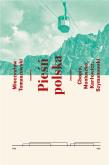
Pieśń polska nie jest ani monografią, ani podręcznikiem czy kompendium historycznym. To starannie wyselekcjonowany wybór tekstów na temat liryki wokalnej Fryderyka Chopina, Stanisława Moniuszki, Mieczysława Karłowicza i Karola Szymanowskiego. Dla Tomaszewskiego to postacie szczególnie bliskie, ponieważ - jak wskazuje Stefan Kisielewski - ""weszły w krew"" polskiego życia i polskiej kultury.Twórczość czterech wybitnych kompozytorów pomaga określić skalę zjawiska jakim są dzieje pieśni polskiej, które dzięki swej wartości i niepowtarzalności na trwałe wpisały się w dzieje pieśni europejskiej.
Publikacja przedstawia osobę i dzieło Moniuszki w możliwie najpełniejszy sposób. Uwzględnia wszystkie ważne aspekty związane z kompozytorem jego biografię, twórczość i znaczenie.Kompendium składa się z czterech części. Pierwsza z nich to Biografia, czyli syntetyczne ujęcie faktów z życiorysu twórcy oraz rozdział opisujący zainteresowania i poglądy Moniuszki, jego otoczenie kulturalne oraz wszczepione mu tradycje i postawy estetyczne. Problematyka drugiej części książki, zatytułowanej Opera, zawiera analizę tekstów operowych, omawia opery pod kątem estetycznym oraz literackim. Część trzecia poświęcona jest innym gatunkom i nurtom twórczości kompozytora a część czwarta analizuje obecność twórczości Moniuszki i jej rezonans.
Dziś budzę się i coś szepcze mi w głowie: pisz. Tak intrygująco zaczyna się książka Aleksandry Koniecznej. Ale nie jest to biografia, jakich wiele na rynku. Tu dzieje się coś magicznego. Efemeryczne sceny, kadry z życia wybitnej polskiej aktorki, która zasłynęła z niezapomnianych kreacji teatralnych i filmowych. Zaprasza nas do swego świata, ale nie pokazuje wszystkiego. Wprowadza za kulisy teatru, życia i duszy. Intrygujący język, niepowtarzalny styl. Sceny opowiedziane przez wrażliwą i nieodgadnioną kobietę.Spotkanie Oli Koniecznej, to dla mnie, zawsze święto. Oglądanie jej w filmach, jest jak obracanie kolorowego kalejdoskopu. W każdym jest zupełnie inna, z ról drugoplanowych, od niechcenia, robi role pierwszoplanowe, bo ma wielki, widoczny z daleka aktorski talent. Hipnotyzuje nim od pierwszej, do ostatniej chwili filmu. W życiu jest wesołą wiewiórką, w pracy, profesjonalnym kameleonem. Bardzo polecam jej pełną zakamarków, szczerą jak autorka, książkę.Hanna BakułaOla, Oleńka... Kobieta kameleon... Wybitna aktorka, wspaniała kobieta... Radością ma jest poznanie Jej bliżej, zarówno zawodowo, jak i prywatnie...Aneta Hickinbotham
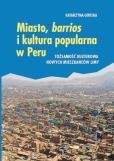
Monografia wprowadza czytelników w zagadnienia związane z tożsamością i miastami Ameryki Łacińskiej, wskazując najważniejsze latynoamerykańskie teorie kultury miejskiej i zmiany kulturowej (transkulturacja,
kultura hybrydowa, heterogeniczność). Następnie, łącząc dwa poziomy analizy przestrzeni miasta, przedstawia badania terenowe w nieformalnym osiedlu oraz analizuje przykłady kultury popularnej pojawiające się w dzielnicach klas średniej i wyższej Limy. Kultura popularna z jej najbardziej żywiołowymi reprezentacjami,
jakimi są m.in. muzyka chicha, popularna grafika i nowe miejskie fiestas, dziś najlepiej definiuje tożsamość kulturową migrantów miejskich i ich dzieci, a także zmienia oblicze peruwiańskiej stolicy i wnosi nowe wątki w dyskusję nad tożsamością narodową.
Nowe wydanie światowego bestsellera literatury popularnonaukowej, część pasjonującej serii 50 idei, które powinieneś znać.Jak powstawały malowidła ścienne w starożytnym Egipcie?Dlaczego Leonardo da Vinci pozostawił tak wiele nieukończonych projektów?Kto jako pierwszy użył określenia impresjonizm?Czym była sztuka ziemi?Jeżeli kiedykolwiek nurtowały cię te pytania, odpowiedzi znajdziesz w tej książce, będącej znakomitym wprowadzeniem do świata sztuki. W 50 krótkich i wciągających esejach autorka odkrywa przed czytelnikami tajniki arcydzieł od prehistorycznych malowideł naskalnych po sztukę nowych mediów. Prezentuje wiodące nurty artystyczne, style, odsłania kulisy powstawania słynnych obrazów, opowiada o funkcjach, jakie malarstwo czy rzeźba pełniły przez wieki, objaśnia znaczenie fachowych terminów. Szuka odpowiedzi na pytanie, dlaczego połączenie różnych elementów: tradycji, technik, materiałów, technologii, otoczenia, wydarzeń społecznych i politycznych oraz osobowości twórcy zaowocowało powstaniem niespodziewanych, inspirujących lub zaskakujących innowacji w dziedzinie historii sztuki.50 idei, które powinieneś znać to seria książek wprowadzających w fascynujący świat pytań i zagadnień tych trudnych oraz tych zupełnie podstawowych które od dawna towarzyszą ludzkości w misji zrozumienia świata. Seria prezentuje najważniejsze teorie i idee z głównych dziedzin wiedzy, stanowiąc świetny punkt wyjścia do dalszej nauki. Obowiązkowa lektura dla każdego początkującego erudyty!
Monografia zbiorowa jest czwartym tomem serii wydawniczej poświęconej problematyce językowo-kulturowej. W całym cyklu miejsce szczególne zajmuje tematyka związana z tradycją wschodniej Polski i pogranicza kulturowego. Redaktorzy nie pomijają jednak problemów badawczych współczesnego folkloru, zauważając istotną rolę, jaką w rozwoju tradycji odgrywają nowe środki komunikacji. W najnowszej publikacji czytelnicy znajdą teksty poświęcone kulturze wschodniej Polski, dotyczące funkcjonowania sacrum w przestrzeni Świętej Góry Grabarki, widowisk typowych dla pogranicza (Landart Festiwalu i Międzynarodowej Szkoły Muzyki Tradycyjnej) czy teatru obrzędowego na Podlasiu i Polesiu. W tomie zamieszczono również wywiad z Bożenną Pawliną Maksymiuk, założycielką Nadbużańskiego Uniwersytetu Ludowego w Husince. Publikacja zawiera też analizy etnolingwistyczne (poświęcone rekonstrukcji utrwalonych w polskiej konceptosferze obrazów bratka i św. Marcina) i literaturoznawczą (skupioną na twórczości Cypriana Godebskiego) oraz syntezę poświęconą roli kategorii ustności w rozwoju historii mówionej. W zakresie folkloru współczesnego autorzy tekstów skupili się na zagadnieniach związanych z komunikacją środowiskową (socjolekt policyjny), polityczną (agresja w języku polityków oraz pragmatyka obietnic wyborczych), internetową (wykorzystanie hasztagów) i niewerbalną (na przykładzie strategii komunikacyjnych wykorzystywanych w programach rozrywkowych).
Recenzowana praca stanowi naturalną kontynuację zbiorowej monografii zatytułowanej Polska krytyka teatralna XIX wieku. Postaci i zjawiska, pod redakcją Moniki Gabryś-Sławińskiej (Lublin 2017). Tym samym tom wpisuje się w nurt zainteresowań krytyką teatralną tak silnie obecny we współczesnych badaniach teatrologicznych, stanowiąc jego uzupełnienie w odniesieniu do zjawisk tego nurtu w kulturze XX wieku. […] Część pierwsza przynosi uporządkowane chronologicznie artykuły poświęcone krytykom XX wieku i ich myśli teatralnej, część druga – rozważania skupione wokół wybranych zagadnień i problemów typowych dla dwudziestowiecznego myślenia o dokonaniach krytycznych.
Z recenzji dr hab. Anny Sobieckiej, prof. Akademii Pomorskiej w Słupsku
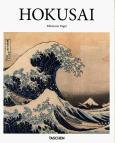
Meet the artist whose majestic breaking wave sent ripples across the world. Hokusai (1760–1849) is not only one of the giants of Japanese art and a legend of the Edo period, but also a founding father of Western modernism, whose prolific gamut of prints, illustrations, paintings, and beyond forms one of the most comprehensive oeuvres of ukiyo-e art and a benchmark of japonisme. His influence spread through Impressionism, Art Nouveau, and beyond, enrapturing the likes of Claude Monet, Berthe Morisot, Edgar Degas, Mary Cassatt, and Vincent van Gogh.
Hokusai was always a man on the move. He changed domicile more than 90 times during his lifetime and changed his own name through over 30 pseudonyms. In his art, he adopted the same restlessness, covering the complete spectrum of Japanese ukiyo-e,“pictures of the floating world”, from single-sheet prints of landscapes and actors to erotic books. In addition, he created album prints, illustrations for verse anthologies and historical novels, and surimono, which were privately issued prints for special occasions.
Hokusai’s print series Thirty-Six Views of Mount Fuji, published between c. 1830 and 1834 is the artist’s most renowned work and, with its soaring peak through different seasons and from different vantage points, marked the towering summit of the Japanese landscape print. The series’ Under the Wave off Kanagawa, also known simply as The Great Wave, is one of the most recognized images of Japanese art in the world.
Ten produkt jest zapowiedzią. Realizacja Twojego zamówienia ulegnie przez to wydłużeniu do czasu premiery tej pozycji. Czy chcesz dodać ten produkt do koszyka?